
With AC repair as the focal point, this paragraph sets the stage for an enlightening journey into the world of HVAC systems, offering valuable insights and practical advice.
Delving deeper into the intricacies of AC repair, this guide covers everything from maintenance to troubleshooting common issues, ensuring your cooling system operates at its best.
Overview of AC Repair
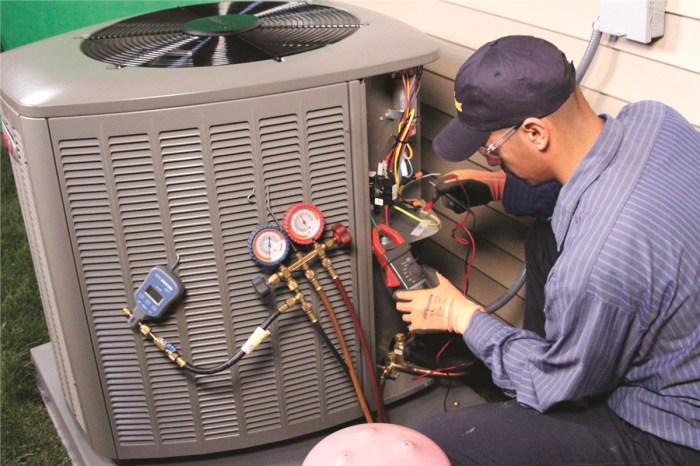
Regular AC maintenance is crucial for keeping your air conditioning system running efficiently and extending its lifespan. By scheduling routine maintenance, you can identify and address minor issues before they escalate into major problems, saving you time and money in the long run.
Common Issues Requiring AC Repair
- Refrigerant Leaks: Low refrigerant levels can affect your AC's cooling performance and increase energy consumption.
- Thermostat Problems: Incorrect thermostat settings or malfunctioning thermostats can lead to temperature inconsistencies.
- Dirty Filters: Clogged air filters can restrict airflow, reduce indoor air quality, and strain the system, causing it to work harder.
- Electrical Issues: Faulty wiring, blown fuses, or tripped breakers can disrupt the functioning of your AC unit.
Signs Indicating the Need for AC Repair
- Warm Air: If your AC is blowing warm air instead of cool air, it could indicate a refrigerant leak or compressor issue.
- Strange Noises: Unusual sounds like grinding, squealing, or banging coming from your AC unit may signal mechanical problems.
- Increased Energy Bills: A sudden spike in your energy bills without a change in usage could indicate an inefficient AC system.
- Frequent Cycling: Your AC constantly turning on and off could be a sign of an underlying issue that needs attention.
Types of AC Repair Services
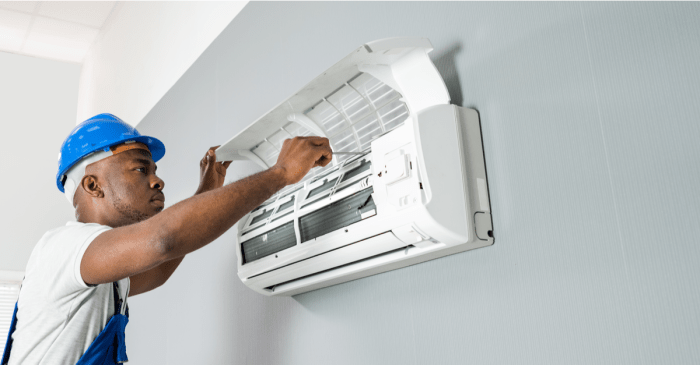
When it comes to AC repair services, professionals offer a variety of options to address different issues that may arise with your cooling system. It's important to understand the types of services available to determine the best course of action for your specific needs.
Regular Maintenance
Regular maintenance services include routine inspections, cleaning, and tune-ups to keep your AC system running smoothly. This can help prevent major issues and extend the lifespan of your unit.
Refrigerant Leak Repair
Professionals can detect and repair refrigerant leaks, which can cause your AC system to malfunction and reduce its efficiency. It's crucial to address refrigerant leaks promptly to avoid further damage.
Compressor Repair or Replacement
The compressor is a vital component of your AC system, and professionals can diagnose issues with this part and either repair it or replace it if necessary. A faulty compressor can lead to poor cooling performance.
Thermostat Repair or Calibration
If your AC system is not maintaining the desired temperature or is turning on and off frequently, the thermostat may be the issue. Technicians can repair or calibrate the thermostat to ensure accurate temperature control.
Ductwork Repair
Leaky or damaged ductwork can lead to inefficient cooling and higher energy bills. Professionals can inspect and repair ductwork to improve airflow and maximize the efficiency of your AC system.
Electrical Component Repair
Issues with electrical components such as wiring, capacitors, or relays can cause your AC system to malfunction. Professional technicians can identify and repair these electrical issues to ensure proper operation of your unit.
DIY vs. Professional Repair
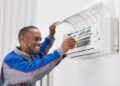
While some AC repairs may seem simple enough for a DIY approach, it's important to consider the complexity of the issue and the potential risks involved. DIY repairs can sometimes cause more harm than good if not done correctly. Hiring professional technicians ensures that the repair is done properly and safely.
Benefits of Hiring Professionals
Professional technicians have the experience, training, and tools necessary to diagnose and repair AC issues effectively. They can also provide expert advice on maintenance and preventive measures to keep your AC system in top condition. Investing in professional AC repair services can save you time, money, and frustration in the long run.
Steps Involved in AC Repair
When it comes to AC repair, there are specific steps involved in diagnosing and fixing common issues that may arise with your air conditioning system. Understanding these steps can help you better grasp the process and ensure a successful repair.
Diagnosing AC Issues
- Start by checking the thermostat settings to ensure they are correctly configured.
- Inspect the air filter for any dirt or clogs that may be restricting airflow.
- Examine the condenser unit outside to see if it is clean and free of debris.
- Test the electrical connections to identify any faulty wiring or components.
Repairing Common AC Problems
- Refrigerant Leaks: Locate the source of the leak, repair it, and recharge the system with the correct amount of refrigerant.
- Compressor Failures: Replace the faulty compressor with a new one and ensure it is properly installed and functioning.
- Condenser Coil Issues: Clean the condenser coil to improve heat transfer and overall system efficiency.
- Fan Motor Problems: Repair or replace the fan motor if it is malfunctioning to maintain proper airflow.
Safety Precautions during AC Repair
- Always disconnect the power supply before working on the AC unit to prevent electrical shocks.
- Wear protective gear such as gloves and goggles to safeguard against sharp edges and refrigerant exposure.
- Avoid working on the AC unit alone, especially when dealing with heavy components that may require assistance.
- Follow manufacturer's instructions and safety guidelines to ensure proper repair and minimize risks.
Tools and Equipment for AC Repair
When it comes to AC repair, having the right tools and equipment is essential for ensuring a job well done. Whether it's a basic repair or diagnosing a complex issue, using the proper tools can make the process more efficient and effective.
Essential Tools for Basic AC Repairs
- Adjustable wrench
- Screwdriver set
- Needle-nose pliers
- Voltage tester
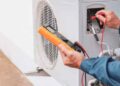
- Multimeter
- Fin comb
Specialized Equipment for Diagnosing Complex AC Issues
- Refrigerant leak detectors
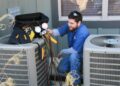
- Manifold gauges
- AC thermometer
- AC vacuum pump
- AC recovery machine
Contribution of Proper Tools and Equipment to Efficient AC Repairs
Using the right tools and equipment not only helps in accurately diagnosing AC problems but also ensures that repairs are done correctly the first time. This leads to increased efficiency, reduced downtime, and ultimately, a well-functioning air conditioning system for your home or office.
Cost Factors in AC Repair
When it comes to AC repair services, the cost can vary depending on several key factors. Understanding what influences the pricing of AC repair can help you budget effectively and make informed decisions.
Factors Influencing AC Repair Cost
- The extent of the damage or issue with the AC unit plays a significant role in determining the cost of repair. Minor repairs may be more affordable compared to major repairs or replacements.
- The type and model of the AC unit can also impact the cost. Some units may require specialized parts or expertise, which can increase the overall repair expenses.
- Location can be a factor as well, as labor rates and supply costs can vary between regions. Urban areas may have higher repair costs compared to rural areas.
- The experience and reputation of the AC repair company can influence pricing. Established companies with a track record of quality service may charge higher rates.
- Emergency or after-hours repairs typically come with an additional cost. It's important to consider this factor when planning for unexpected AC repairs.
Comparing Pricing Structures
When looking for an AC repair company, it's essential to compare pricing structures to ensure you're getting a fair deal. Some companies may offer flat rates for specific services, while others may charge by the hour or based on the extent of the repair needed.
Budgeting for Unexpected Repairs
- Setting aside a portion of your budget for home maintenance, including potential AC repairs, can help you be prepared for unexpected costs.
- Regular maintenance and servicing of your AC unit can help prevent major issues that could lead to costly repairs down the line.
- Consider investing in a home warranty or service contract that covers AC repairs to mitigate the financial impact of unexpected breakdowns.
Maintenance Tips to Avoid AC Repairs
Regular maintenance is essential to ensure your AC unit functions efficiently and to avoid costly repairs. Here are some tips to help you prolong the lifespan of your AC unit and prevent potential issues.
Importance of Regular Filter Replacements
Regularly replacing the air filters in your AC unit is crucial in preventing malfunctions. Clogged or dirty filters can restrict airflow, causing the system to work harder and potentially leading to overheating or breakdowns. It is recommended to check and replace filters every 1-3 months, depending on usage.
Scheduling Routine Maintenance Checks
Scheduling routine maintenance checks with a professional HVAC technician can help identify any minor issues before they escalate into major repair problems. These checks typically involve inspecting components, cleaning coils, checking refrigerant levels, and ensuring optimal system performance. It is advisable to schedule maintenance at least once a year, preferably before the start of the cooling season.
Final Thoughts
In conclusion, this guide has equipped you with the knowledge needed to navigate the realm of AC repair confidently. By understanding the importance of regular maintenance, the types of services available, and cost factors to consider, you are now empowered to make informed decisions for your HVAC system.
Question & Answer Hub
What are some signs that indicate the need for AC repair?
Some common signs include weak airflow, unusual odors, and strange noises coming from the unit.
Is it better to hire professional technicians for AC repair?
Professional technicians have the expertise and tools to diagnose and fix complex AC issues accurately, ensuring long-lasting solutions.
How can I budget for unexpected AC repairs?
Setting aside a portion of your budget for home maintenance emergencies can help cover unexpected AC repair costs without causing financial strain.
Why is regular filter replacement important for AC maintenance?
Regular filter replacements prevent dust and debris buildup, ensuring optimal airflow and reducing strain on the AC system.