
Exploring the world of AC repair tips, this introduction delves into the importance of regular maintenance, common problems faced by AC units, and DIY maintenance tips to keep your system running smoothly.
We will also discuss signs indicating when your AC needs repair, energy efficiency tips to save on costs, and the significance of hiring professional services for maintenance and repairs.
Importance of Regular Maintenance
Regular maintenance is crucial for AC units to ensure optimal performance, energy efficiency, and longevity. Neglecting regular maintenance can lead to various issues, including decreased cooling capacity, higher energy consumption, and costly repairs or replacements.
Examples of Regular Maintenance
- Changing or cleaning air filters every 1-3 months to maintain proper airflow and indoor air quality.
- Inspecting and cleaning the evaporator and condenser coils annually to prevent inefficiencies and breakdowns.
- Checking and cleaning the drainage system to prevent water leaks and moisture issues.
- Testing and calibrating the thermostat to ensure accurate temperature control.
Consequences of Neglecting AC Maintenance
- Reduced cooling efficiency, leading to discomfort and higher energy bills.
- Increased wear and tear on components, resulting in the need for expensive repairs or premature replacement.
- Potential health risks due to poor indoor air quality from dirty filters or mold growth in the system.
Common AC Problems
When it comes to AC units, there are several common problems that can arise, causing discomfort and inconvenience. Understanding these issues and their underlying causes is crucial for effective troubleshooting and maintenance.
1. Refrigerant Leaks
Refrigerant leaks are a common problem that can lead to reduced cooling efficiency in your AC unit. These leaks are often caused by wear and tear, improper installation, or manufacturing defects. If you suspect a refrigerant leak, it is essential to contact a professional HVAC technician to locate and repair the leak.
2. Frozen Evaporator Coils
Frozen evaporator coils are another common issue that can prevent your AC from cooling properly. This problem is typically caused by restricted airflow due to dirty air filters, blocked vents, or low refrigerant levels. To troubleshoot this problem, check and replace dirty air filters regularly and ensure proper airflow around the unit.
3. Electrical Control Failure
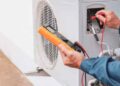
Electrical control failure can occur due to wear and tear on the unit's components, power surges, or faulty wiring. Signs of electrical control failure include the AC not turning on or off properly, frequent cycling, or tripped circuit breakers. If you suspect an electrical issue, it is best to consult a qualified technician to avoid further damage.
4. Thermostat Problems
Thermostat issues can cause temperature inconsistencies or prevent the AC from turning on. Common causes of thermostat problems include faulty wiring, dead batteries, or calibration issues. To troubleshoot thermostat problems, check the batteries, clean the contacts, and recalibrate the settings as needed.
5. Fan Malfunctions
Fan malfunctions can lead to poor airflow and reduced cooling efficiency in your AC unit. These issues can be caused by motor problems, worn belts, or debris blocking the fan blades. Regular maintenance, such as cleaning the fan blades and checking for obstructions, can help prevent fan malfunctions.
DIY Maintenance Tips
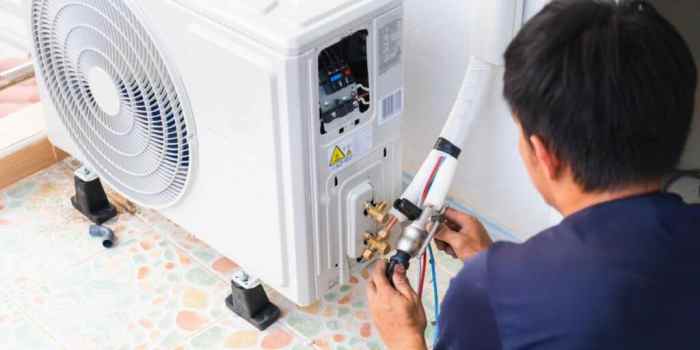
Regular maintenance is essential to keep your AC unit running efficiently. Here are some simple do-it-yourself tips to help you maintain your AC unit and extend its lifespan.
Cleaning AC Filters
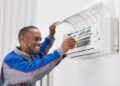
One of the most important maintenance tasks for your AC unit is cleaning or replacing the air filters regularly. Clogged filters can restrict airflow, reduce efficiency, and even cause the system to freeze up. Here's how you can clean your AC filters:
- Turn off the power to the AC unit before starting any maintenance.
- Locate the air filters, which are usually found behind the front panel of the unit.
- Remove the filters and clean them using a vacuum cleaner or by washing them with warm, soapy water.
- Allow the filters to dry completely before putting them back in place.
- Make sure to clean or replace the filters every 1-3 months, depending on usage.
Cleaning the Exterior of the AC Unit
In addition to cleaning the filters, it's also important to keep the exterior of the AC unit clean to prevent debris from affecting its performance. Here's how you can safely clean the exterior of your AC unit:
- Turn off the power to the AC unit before cleaning the exterior.
- Use a garden hose to gently spray the exterior of the unit to remove dirt and debris.
- Avoid using pressure washers or harsh chemicals, as this can damage the unit.
- Trim any vegetation around the unit to ensure proper airflow.
- Inspect the unit for any signs of damage or wear and tear and address them promptly.
Signs That Your AC Needs Repair
If you notice any of the following warning signs, it may be time to consider repairing your AC unit to keep it running efficiently and effectively.
- Weak Airflow: If you feel weak or minimal airflow coming from your vents, it could indicate a problem with your AC system. This could be due to clogged filters, a malfunctioning fan, or ductwork issues. Addressing this promptly can help prevent further damage to your unit and ensure proper cooling throughout your home.
- Unusual Noises: Strange noises such as banging, squealing, or grinding coming from your AC unit can be a cause for concern. These noises could be a sign of loose or broken parts, motor issues, or compressor problems. Ignoring these sounds can lead to more significant damage and costly repairs down the line.
- Strange Odors: Foul or musty odors emanating from your AC vents could indicate mold or mildew growth within your system. This not only affects the air quality in your home but can also pose health risks to you and your family.
Addressing this issue promptly is essential for maintaining a healthy indoor environment.
- Increased Energy Bills: A sudden spike in your energy bills without a corresponding increase in usage could signal that your AC unit is working inefficiently. This could be due to issues such as a refrigerant leak, faulty components, or poor insulation.
Repairing these issues can help lower your energy costs and improve the overall efficiency of your system.
When to Call a Professional for AC Repair
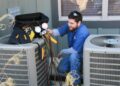
If you notice any of the above warning signs or experience any other unusual behavior with your AC unit, it is best to call a professional HVAC technician for a thorough inspection and repair. Attempting to fix complex AC issues without the necessary expertise can lead to further damage and safety hazards.
A professional technician can accurately diagnose the problem, provide efficient solutions, and ensure that your AC unit is functioning optimally.
Energy Efficiency Tips
Maintaining energy efficiency in your AC unit is crucial not only for reducing energy consumption but also for saving money on utility bills. By following these tips, you can ensure that your AC system operates efficiently while keeping your home cool.
Adjust Thermostat Settings
Adjusting your thermostat settings can make a significant impact on your energy consumption. During the summer, set your thermostat to 78°F when you're at home and raise it a few degrees when you're away. This simple adjustment can help reduce the workload on your AC unit and lower energy usage.
Regular Filter Replacement
Regularly replacing the air filters in your AC unit is essential for maintaining energy efficiency. Clogged or dirty filters can restrict airflow, causing your system to work harder to cool your home. Replace filters every 1-3 months to ensure optimal performance.
Utilize Ceiling Fans
Using ceiling fans in conjunction with your AC unit can help distribute cool air more effectively throughout your home. This allows you to raise the thermostat temperature while still feeling comfortable, reducing the workload on your AC system and improving energy efficiency.
Schedule Annual Maintenance
Professional maintenance is key to ensuring that your AC unit operates efficiently. Schedule annual maintenance with a qualified technician to clean coils, check refrigerant levels, and inspect the overall performance of your system. This proactive approach can prevent potential issues and keep your AC running smoothly.
Hiring Professional Services
When it comes to AC repairs, hiring a professional service is crucial to ensure the job is done correctly and efficiently. Professionals have the expertise, experience, and tools necessary to diagnose and fix various AC issues, ultimately saving you time and money in the long run.
Importance of Hiring a Professional
- Professionals have the necessary skills and knowledge to accurately diagnose AC problems.
- They can provide expert recommendations on repairs or replacements based on the condition of your AC unit.
- Professional services often offer warranties or guarantees on their work, giving you peace of mind.
Factors to Consider When Choosing an AC Repair Service
- Check for proper licensing and certifications to ensure the service meets industry standards.
- Read reviews and ask for referrals from friends or family to gauge the reputation and reliability of the service.
- Inquire about pricing and get multiple quotes to compare before making a decision.
Tips for Finding Reliable and Trustworthy AC Repair Professionals
- Look for services that have been in the industry for a substantial amount of time, indicating experience and expertise.
- Ask about the availability of emergency services, especially if you require immediate AC repairs.
- Ensure the service offers transparent communication and provides detailed explanations of the work that needs to be done.
Final Thoughts
In conclusion, staying on top of AC maintenance is key to ensuring your unit operates efficiently and effectively. By following these tips and being proactive in caring for your AC system, you can avoid costly repairs and enjoy a cool, comfortable environment year-round.
Frequently Asked Questions
How often should I schedule maintenance for my AC unit?
It is recommended to have your AC unit serviced at least once a year to ensure optimal performance.
What are some common causes of AC problems?
Common causes can include dirty filters, refrigerant leaks, or electrical issues.
When should I call a professional for AC repair?
If you notice reduced airflow, strange noises, or leaks, it's best to call a professional for inspection and repair.