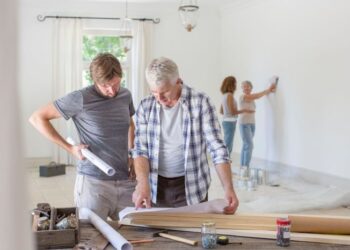

Embark on a journey through the world of home design where every corner tells a unique story of style and functionality. From the impact of design on our well-being to the elements that make up a perfect space, this guide covers it all.
Delve into the realm of interior design and discover how color schemes, furniture layout, and various styles play a crucial role in shaping the ambiance of a home.
Importance of Home Design
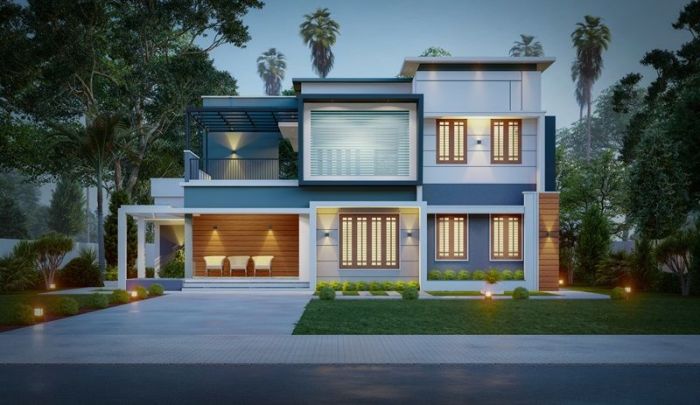
Home design plays a crucial role in our overall well-being, influencing our mood, productivity, and quality of life.
Impact on Well-being
Home design directly impacts our mental and emotional well-being. A well-designed home with ample natural light, proper ventilation, and comfortable furniture can create a calming and uplifting environment, reducing stress and anxiety levels.
Influence on Mood and Productivity
The layout and decor of a home can significantly affect our mood and productivity. For example, cluttered and disorganized spaces can lead to feelings of overwhelm and hinder focus, while a well-organized and aesthetically pleasing environment can boost creativity and motivation.
Enhancing Quality of Life
- Good home design can improve the functionality of living spaces, making daily tasks easier and more efficient.
- Properly designed homes can promote social interactions and family bonding, fostering a sense of community and connection.
- Quality home design can also increase the resale value of a property, providing a long-term investment benefit.
Elements of Home Design
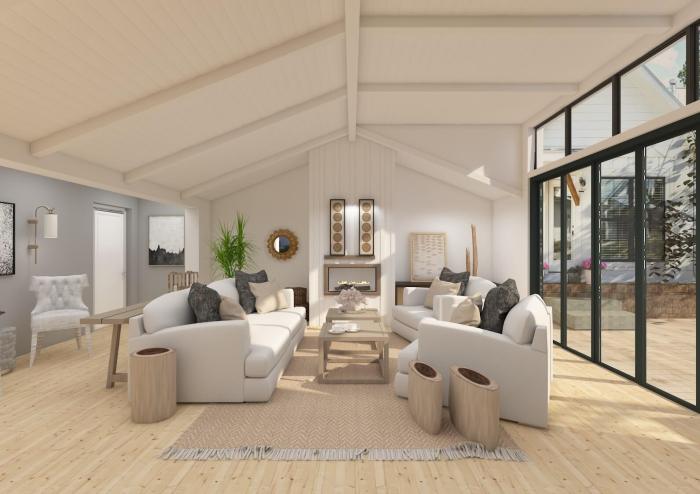
Interior design encompasses several key elements that work together to create a harmonious and functional living space. These elements play a crucial role in determining the overall look and feel of a home.
Color Schemes
Color schemes are a fundamental aspect of interior design as they set the tone and ambiance of a room. The choice of colors can influence the perception of space, evoke emotions, and create visual interest. Different color combinations can convey different moodswarm tones like reds and oranges create a cozy atmosphere, while cool tones like blues and greens promote a sense of calmness.
It is essential to carefully select the color schemes to achieve the desired effect in each room of the house.
Furniture Layout
The layout of furniture plays a crucial role in interior design as it affects the functionality and flow of a space. Proper furniture arrangement can optimize the use of space, create balance and harmony, and enhance the overall aesthetic appeal of a room.
It is essential to consider the size and scale of furniture pieces, traffic flow, and focal points when planning the layout. Strategic placement of furniture can transform a room into a comfortable and inviting living area.
Popular Home Design Styles
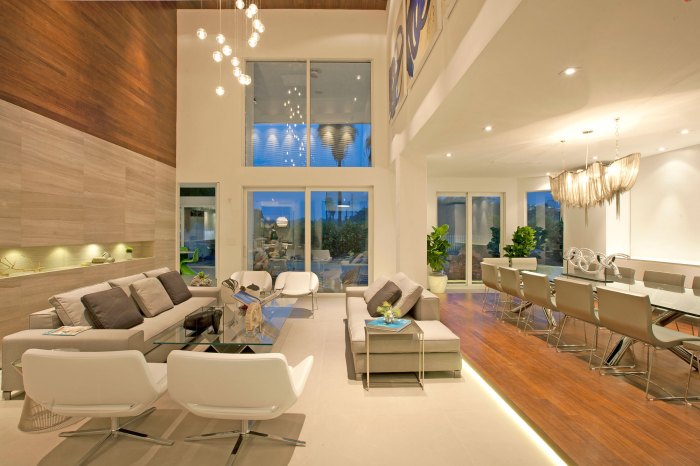
When it comes to home design, there are several popular styles that homeowners often choose to reflect their taste and personality. From modern and minimalist to rustic and traditional, each design style brings a unique aesthetic to the space.
Modern Home Design
Modern home design focuses on clean lines, open spaces, and minimalistic decor. It often incorporates materials like glass, steel, and concrete to create a sleek and contemporary look. Neutral color palettes and a focus on function over form are common characteristics of modern design.
Minimalist Home Design
Minimalist home design takes simplicity to the next level, with a "less is more" approach. This style emphasizes simplicity, functionality, and the use of negative space. Neutral colors, simple furniture, and clutter-free spaces are key elements of minimalist design.
Rustic Home Design
Rustic home design embraces natural materials, earthy tones, and a cozy, inviting atmosphere. Wood, stone, and distressed finishes are often used to create a warm and welcoming feel. Elements like exposed beams, reclaimed wood, and vintage decor are common in rustic design.
Traditional vs. Contemporary Home Design
Traditional home design is characterized by ornate details, rich colors, and classic furniture styles. It often draws inspiration from historical periods like Victorian or Colonial. In contrast, contemporary home design features clean lines, minimalistic decor, and a focus on sleek finishes.
Contemporary design is more about what is popular now, while traditional design looks to the past for inspiration
Unique Features of Each Style
- Modern: Emphasis on clean lines and open spaces.
- Minimalist: Focus on simplicity and functionality.
- Rustic: Use of natural materials and cozy textures.
- Traditional: Ornate details and classic furniture styles.
- Contemporary: Clean lines and sleek finishes for a modern look.
Sustainable Home Design
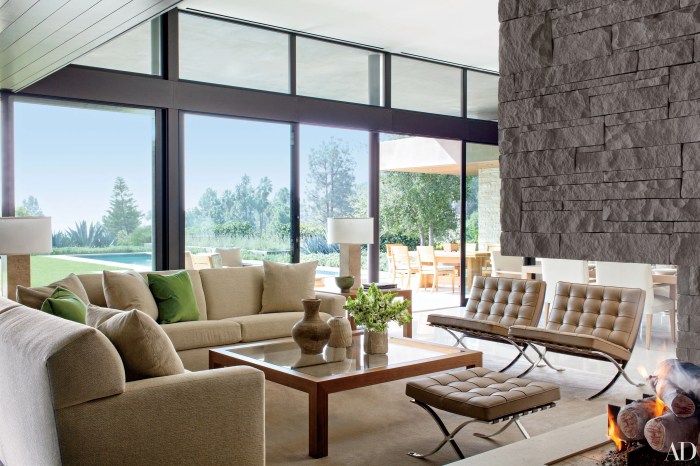
Sustainable home design focuses on creating living spaces that minimize negative impacts on the environment while maximizing energy efficiency and resource conservation.
Eco-Friendly Materials Used in Sustainable Design
When it comes to sustainable home design, using eco-friendly materials is crucial. Some examples of such materials include:
- Bamboo: A fast-growing and renewable resource that can be used for flooring, furniture, and other elements.
- Recycled Glass: Used for countertops, tiles, and decorative accents, reducing the need for new raw materials.
- Cork: Harvested from the bark of cork oak trees without harming them, cork is a sustainable material for flooring and insulation.
- Reclaimed Wood: Salvaged from old structures like barns or factories, giving a unique character to furniture and flooring.
Benefits of Incorporating Sustainable Practices in Home Design
There are numerous benefits to incorporating sustainable practices in home design, including:
- Environmental Preservation: By using eco-friendly materials and energy-efficient systems, sustainable homes reduce their carbon footprint and help protect the environment.
- Energy Efficiency: Sustainable design features like solar panels, proper insulation, and energy-efficient appliances can lead to lower utility bills and reduced energy consumption.
- Improved Indoor Air Quality: Choosing non-toxic and natural materials can improve indoor air quality and promote better health for residents.
- Long-Term Cost Savings: While sustainable design may require an initial investment, the long-term cost savings on energy bills and maintenance can outweigh the upfront costs.
Budget-Friendly Home Design Tips
Decorating and designing your home doesn't have to break the bank. With some creativity and resourcefulness, you can achieve a stylish and inviting living space without spending a fortune. Here are some budget-friendly home design tips to help you enhance the aesthetics of your home without draining your wallet.
DIY Home Decor Projects
One of the best ways to save money on home design is by taking on do-it-yourself (DIY) projects. From painting old furniture to creating your own artwork, there are numerous ways to add a personal touch to your home without spending a lot of money.
Not only does DIY allow you to customize your space, but it also gives you a sense of accomplishment and pride in your home.
Thrift Shopping and Upcycling
Thrift stores, garage sales, and online marketplaces are treasure troves for finding unique and affordable home decor items. You can breathe new life into old pieces by upcycling or repurposing them to fit your style. Whether it's refinishing a vintage dresser or reupholstering a chair, these cost-effective options can add character and charm to your home.
Strategic Lighting and Accessories
Enhancing the lighting and accessories in your home can make a significant impact on its overall look and feel. Consider adding inexpensive yet stylish lighting fixtures, such as floor lamps or string lights, to create a cozy ambiance. Additionally, strategically placing mirrors, rugs, and decorative accents can elevate the design of your space without breaking the bank.
Last Word
As we conclude our exploration of home design, remember that creating a space that resonates with your personality and lifestyle is key. Let your creativity flow and transform your living space into a sanctuary of comfort and beauty.
FAQ Insights
How does home design impact well-being?
Home design can significantly affect our well-being by creating spaces that promote relaxation, productivity, and overall happiness.
What are some popular home design styles?
Popular home design styles include modern, minimalist, rustic, traditional, and contemporary, each with its unique characteristics.
How can I achieve a stylish home design on a budget?
You can achieve a stylish home design on a budget by opting for DIY projects, upcycling furniture, and exploring cost-effective decor options.