
Exploring the world of air conditioner repair, this introduction sets the stage for a comprehensive look at common issues, repair processes, and maintenance tips. From weather impacts to cost factors, this guide covers it all with detailed insights and practical advice.
Unveiling the complexities of air conditioner repair, this guide aims to equip readers with the knowledge and tools needed to tackle any cooling system challenges effectively.
Common Air Conditioner Problems
Air conditioners can experience a variety of issues that can impact their performance and efficiency. It is essential to be aware of these common problems to ensure timely repairs and maintenance.
1. Refrigerant Leaks
Refrigerant leaks can lead to reduced cooling capacity and increased energy consumption. Signs of a refrigerant leak include warm air blowing from the vents, hissing noises, and ice buildup on the evaporator coils.
2. Electrical Issues
Electrical problems such as faulty wiring, capacitor issues, or a malfunctioning thermostat can cause the air conditioner to stop working. If you notice frequent tripped breakers or a lack of power to the unit, it may indicate an electrical issue.
3. Dirty or Clogged Filters
Dirty or clogged filters can restrict airflow and reduce the air conditioner's efficiency. This can lead to poor cooling performance and increased energy consumption. Regularly changing or cleaning the filters can help prevent this problem.
4. Fan Problems
Issues with the fan, such as a broken motor or bent blades, can prevent the air conditioner from circulating air effectively. This can result in uneven cooling or no airflow at all. Strange noises or vibrations coming from the outdoor unit may indicate fan problems.
5. Drainage Issues
Clogged condensate drains can cause water to back up and leak into your home. This can lead to water damage and mold growth. If you notice water pooling around the unit or musty odors, it may be a sign of drainage issues.
Air Conditioner Repair Process
When it comes to repairing an air conditioner, there are several important steps involved that ensure the system is up and running efficiently. Regular maintenance plays a crucial role in preventing major repairs, but when issues do arise, professional technicians are trained to diagnose and fix the problem effectively.
Diagnosing the Issue
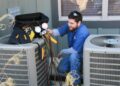
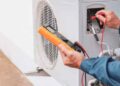
- Before starting any repairs, the technician will first assess the air conditioner to determine the root cause of the problem. This may involve checking for leaks, testing the electrical components, and inspecting the overall condition of the unit.
- Using specialized tools and equipment, the technician will identify the specific issue that is causing the air conditioner to malfunction.
Repairing the Air Conditioner
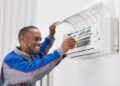
- Once the problem has been diagnosed, the technician will proceed with the necessary repairs. This may involve replacing faulty parts, repairing leaks, or cleaning components that are clogged or dirty.
- It is important to follow manufacturer guidelines and use quality parts to ensure the longevity and efficiency of the air conditioner.
Testing and Maintenance
- After the repairs are complete, the technician will test the air conditioner to ensure that it is functioning properly. This may involve checking the temperature output, airflow, and overall performance of the unit.
- Regular maintenance, such as cleaning filters, checking refrigerant levels, and lubricating moving parts, can help prevent future issues and prolong the life of the air conditioner.
Role of Professional Technicians
- Professional technicians have the expertise and training to accurately diagnose and repair air conditioners, ensuring that the job is done safely and effectively.
- They have access to specialized tools and equipment that are necessary for proper diagnosis and repair of air conditioning systems.
- Professional technicians can also provide valuable advice on maintenance practices to keep the air conditioner running smoothly and efficiently.
DIY vs Professional Repair
When it comes to repairing your air conditioner, you may be faced with the decision of whether to attempt a DIY fix or hire a professional. Both options have their pros and cons, so it's important to weigh them carefully before making a decision.
DIY Repair
- DIY repairs can be cost-effective, as you won't have to pay for labor costs.
- Some minor issues, such as changing the air filter or cleaning the unit, can be easily tackled by homeowners.
- There are plenty of online tutorials and guides available to help you with DIY repairs, making it accessible for those with a bit of handyman skills.
Tips for DIY Repairs
- Before attempting any repairs, make sure to turn off the power to your air conditioner to avoid any accidents.
- Always refer to the manufacturer's manual or online resources for guidance on specific repairs.
- If you're unsure about a repair or it involves complex electrical work, it's best to leave it to the professionals.
Professional Repair Services
- Professional repair services have the expertise and experience to quickly diagnose and fix complex issues with your air conditioner.
- They can ensure that the repair is done correctly the first time, reducing the risk of further damage or issues in the future.
- Professional technicians have access to specialized tools and equipment that may be necessary for certain repairs.
Advantages and Disadvantages
- Advantages of hiring a professional include guaranteed work, quick turnaround time, and expertise in handling all types of repairs.
- On the other hand, DIY repairs can save you money and give you a sense of accomplishment, but they also come with the risk of causing more damage if not done correctly.
- Ultimately, the decision between DIY and professional repair will depend on the complexity of the issue, your skill level, and your comfort with attempting repairs on your own.
Maintenance Tips to Avoid Repairs
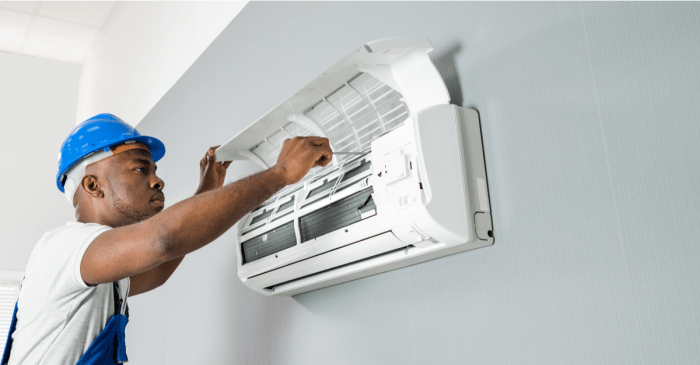
Regular maintenance of your air conditioner is essential to prevent costly repairs and ensure optimal performance. By following these maintenance tips, you can extend the lifespan of your unit and keep it running efficiently.
Scheduled Servicing
It is recommended to schedule professional servicing for your air conditioner at least once a year. A professional technician will inspect the unit, clean the components, and identify any potential issues before they escalate into major problems.
Cleaning and Replacing Filters
One of the simplest yet most effective maintenance tasks is cleaning or replacing the filters regularly. Clogged filters can restrict airflow, reducing the unit's efficiency and causing strain on the system. Aim to clean or replace the filters every 1-3 months, depending on usage.
Coil Cleaning
Another crucial maintenance task is cleaning the evaporator and condenser coils. Over time, these coils can accumulate dirt and debris, hindering heat transfer and reducing the unit's efficiency. Use a soft brush or vacuum to remove any buildup and ensure optimal performance.
Checking Thermostat Settings
Regularly check and adjust the thermostat settings to ensure that your air conditioner is running at the desired temperature. Avoid setting the thermostat too low, as this can lead to excessive strain on the unit and higher energy consumption.
Inspecting Ductwork
Inspect the ductwork for any leaks, cracks, or blockages that may impede airflow. Sealing or repairing ductwork can improve efficiency and prevent air loss, ensuring that your air conditioner operates at its best.
Cost Factors in Air Conditioner Repair
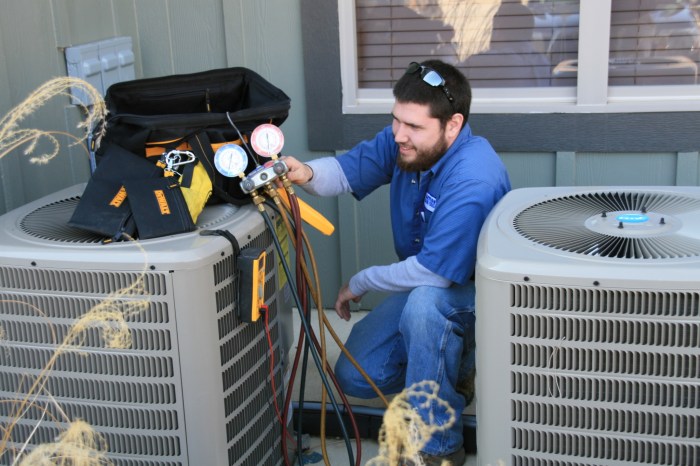
When it comes to air conditioner repair, costs can vary based on several factors. Understanding these cost factors can help you budget and plan for any unexpected repairs that may arise. Let's break down the key factors influencing the cost of air conditioner repairs.
Components of Air Conditioner Repair Costs
- The cost of repairing the compressor: The compressor is a crucial component of an air conditioner, and repairing or replacing it can be one of the most expensive repairs.
- Cost of fixing refrigerant leaks: If your air conditioner is leaking refrigerant, it not only affects its cooling efficiency but can also lead to higher repair costs.
- Repairing the condenser or evaporator coils: Damaged coils can impact the overall performance of your air conditioner and may require professional repair or replacement.
- Replacing the fan motor or blower: The fan motor and blower are responsible for circulating air in your air conditioner, and if they malfunction, they can significantly impact repair costs.
Impact of Age and Condition on Repair Costs
- Older air conditioners: As air conditioners age, they may require more frequent repairs due to wear and tear. Older units may also have outdated parts that are more expensive to replace.
- Poorly maintained units: Lack of regular maintenance can lead to more frequent breakdowns and higher repair costs. It's essential to schedule regular maintenance to keep repair costs in check.
Tips for Budgeting Unexpected Repairs
- Set aside a repair fund: Consider setting aside a portion of your budget for unexpected air conditioner repairs. Having a repair fund can help cover the costs without causing financial strain.
- Regular maintenance: Investing in regular maintenance can help prevent costly repairs by identifying and addressing issues early on. It's a proactive approach to maintaining your air conditioner and avoiding unexpected expenses.
- Get multiple quotes: When faced with a repair, don't hesitate to get multiple quotes from different HVAC professionals. Comparing quotes can help you find the best deal and ensure you're not overpaying for repairs.
Conclusive Thoughts
In conclusion, navigating the realm of air conditioner repair requires a blend of DIY know-how and professional expertise. By following the maintenance tips and understanding the cost factors involved, you can ensure your air conditioner stays in top shape for years to come.
FAQ Summary
How often should I replace my air conditioner filters?
It is recommended to replace your filters every 1-3 months depending on usage and filter type.
Can weather conditions affect my air conditioner's performance?
Extreme heat or cold can strain your air conditioner, leading to decreased efficiency and potential breakdowns.
Is it safe to attempt DIY repairs on my air conditioner?
Simple tasks like cleaning the unit or changing filters can be done DIY, but complex repairs should be left to professionals.
What are the common signs that indicate my air conditioner needs repair?
Unusual noises, weak airflow, and inconsistent cooling are common signs that your air conditioner may require repair.
How can regular maintenance help prevent major air conditioner repairs?
Regular maintenance like cleaning coils and checking refrigerant levels can catch issues early and prevent costly repairs.