
Design services lay the foundation for a captivating journey, offering readers an insight into a narrative rich in detail and originality. From graphic design to web design, these services play a crucial role in shaping industries and businesses alike.
As we delve deeper into the realm of design services, we uncover the various types, benefits, and considerations that can transform your brand's identity and user experience.
What are Design Services?
Design services encompass a wide range of creative solutions offered to individuals, businesses, and organizations to enhance the visual appeal, functionality, and overall user experience of products, spaces, or communication materials. These services are crucial in transforming ideas into tangible and aesthetically pleasing outcomes, catering to the specific needs and preferences of clients.
Importance of Design Services
Design services play a pivotal role in various industries by helping businesses stand out in a competitive market, communicate their brand identity effectively, and engage with their target audience. Whether it's graphic design for marketing materials, interior design for commercial spaces, or web design for online platforms, the impact of design services is undeniable.
- Graphic Design: Graphic designers create visual content such as logos, brochures, and websites to convey messages and enhance brand recognition.
- Interior Design: Interior designers optimize the functionality and aesthetics of residential and commercial spaces, creating environments that are both visually appealing and functional.
- Web Design: Web designers focus on creating user-friendly and visually appealing websites that provide a seamless browsing experience for visitors.
- Fashion Design: Fashion designers conceptualize and create clothing and accessory designs that reflect current trends and cater to the preferences of consumers.
Types of Design Services
When it comes to design services, there are various types that cater to different needs and industries. Let's explore some of the key categories and their distinctions.
Graphic Design
Graphic design focuses on visual communication and creating visual content to convey messages. It involves designing logos, branding materials, marketing collateral, and more. Graphic designers use tools like Adobe Illustrator and Photoshop to create stunning visuals.
Web Design
Web design is centered around creating websites that are visually appealing, user-friendly, and functional. It involves layout design, color schemes, typography, and user experience considerations. Web designers need to understand coding languages like HTML, CSS, and JavaScript.
Interior Design
Interior design focuses on creating functional and aesthetically pleasing spaces. Interior designers work on residential, commercial, and public spaces, considering factors like layout, furniture selection, lighting, and color schemes. They create design plans to transform spaces into inviting environments.
Fashion Design
Fashion design involves creating clothing and accessories that reflect current trends or personal styles. Fashion designers sketch designs, select fabrics, and oversee the production process. They need to stay updated on fashion trends and have a keen eye for detail.
Product Design
Product design involves creating new products or improving existing ones. Product designers consider functionality, aesthetics, and user experience when designing products. They collaborate with engineers, marketers, and manufacturers to bring products to life.These examples showcase the diverse nature of design services and how each type addresses specific needs in various industries.
Benefits of Utilizing Design Services
Design services play a crucial role in enhancing a company's branding, improving user experience, and ultimately leading to increased customer satisfaction. Let's explore how design services can benefit businesses.
Enhancing Branding
Design services help companies establish a strong brand identity through consistent visual elements such as logos, color schemes, and typography. A cohesive brand image builds brand recognition and credibility among consumers, setting the company apart from competitors.
Improving User Experience and Customer Satisfaction
Effective design services focus on creating user-friendly interfaces and engaging visuals that enhance the overall user experience. By incorporating intuitive design elements, businesses can streamline processes, reduce friction, and make interactions with their products or services more enjoyable for customers
This, in turn, leads to higher customer satisfaction and loyalty.
Case Studies and Success Stories
- Company XYZ revamped its website with a modern and user-centric design, resulting in a 30% increase in website traffic and a significant decrease in bounce rates. The redesign not only improved user engagement but also boosted the company's online visibility and credibility.
- Startup ABC collaborated with a design agency to create a visually appealing brand identity that resonated with its target audience. This led to a 50% increase in brand awareness and a notable growth in customer acquisition. The well-designed branding materials helped differentiate the startup in a competitive market.
How to Choose the Right Design Service Provider
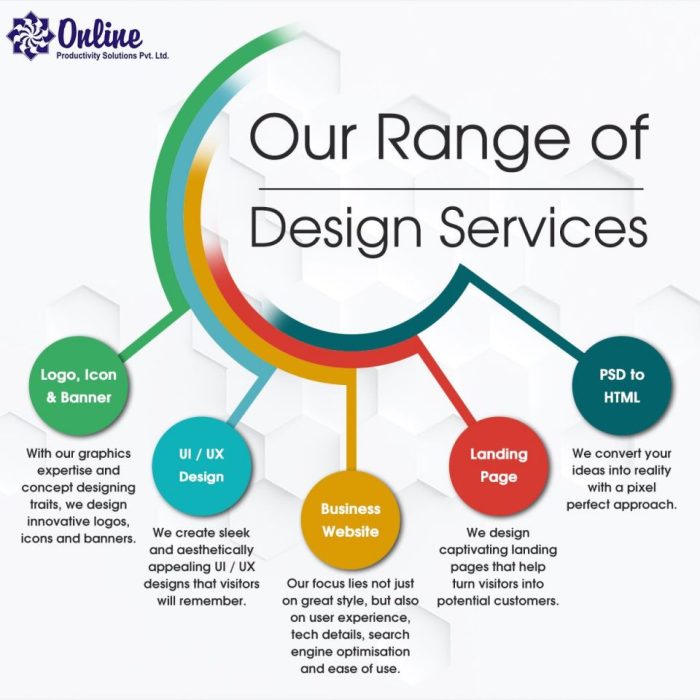
When it comes to selecting a design service provider, there are several factors to consider to ensure you make the right choice. From pricing models to evaluating the quality of work, here are some tips to help you choose the best design service provider for your needs.
Factors to Consider when Selecting a Design Service Provider
- Experience and Expertise: Look for a provider with a proven track record and expertise in the specific type of design services you require.
- Portfolio: Review the provider's portfolio to assess the quality of their work and see if their style aligns with your vision.
- Communication: Effective communication is key, so ensure the provider is responsive and understands your requirements clearly.
- References and Reviews: Check for testimonials and reviews from past clients to gauge the provider's reputation and customer satisfaction.
- Flexibility: Choose a provider who is willing to adapt to your needs and make changes as necessary throughout the design process.
Comparison of Different Pricing Models Used by Design Service Providers
- Hourly Rate: Some providers charge an hourly rate for their services, which can be beneficial for short-term projects with fluctuating requirements.
- Flat Fee: Others may offer a flat fee for the entire project, providing clarity on costs from the start and ensuring no surprises along the way.
- Retainer: Design service providers may also offer retainer packages for ongoing support, allowing for a consistent level of service over time.
Tips on How to Evaluate the Quality of Work Provided by Design Service Providers
- Request Samples: Ask for samples of previous work to assess the quality of design, attention to detail, and creativity.
- Client Testimonials: Reach out to past clients to get feedback on their experience working with the provider and the results achieved.
- Design Process: Inquire about the provider's design process to understand how they approach projects and ensure it aligns with your expectations.
- Deadline Adherence: Assess the provider's ability to meet deadlines and deliver projects on time without compromising quality.
- Feedback and Revisions: Evaluate how the provider handles feedback and revisions to ensure they are open to making adjustments based on your input.
Final Summary
In conclusion, design services serve as the backbone of successful branding, elevating user experience and driving customer satisfaction. By choosing the right design service provider and harnessing the power of creative solutions, businesses can unlock a world of endless possibilities.
Commonly Asked Questions
What are Design Services?
Design services encompass a range of creative solutions aimed at enhancing visual communication and brand identity across various industries.
How to Choose the Right Design Service Provider?
Consider factors like experience, portfolio, pricing models, and quality of work when selecting a design service provider to ensure they align with your brand's vision.