

Digital design, a cornerstone of modern technology, has revolutionized industries and user experiences alike. Delve into the dynamic evolution of digital design through this engaging narrative, exploring key principles, tools, and the intricate dance between UI and UX design.
Introduction to Digital Design
Digital design refers to the creation of visual content using computer software and tools. In modern technology, digital design plays a crucial role in shaping the way we interact with websites, apps, products, and services. It involves the use of graphic design, user interface design, and user experience design to create visually appealing and user-friendly digital products.
Evolution of Digital Design
Over the years, digital design has evolved significantly, from simple graphics to complex interactive experiences. With advancements in technology, designers now have access to a wide range of tools and techniques to create innovative and engaging digital solutions. This evolution has revolutionized industries such as advertising, marketing, entertainment, and e-commerce, allowing businesses to reach a wider audience and enhance their brand presence.
Digital Design and User Experience
The relationship between digital design and user experience is crucial in ensuring that digital products are intuitive, easy to use, and visually appealing. User experience design focuses on understanding the needs and behaviors of users to create seamless interactions and engaging experiences.
Digital design plays a key role in translating user insights into visually compelling designs that enhance the overall user experience.
Principles of Digital Design
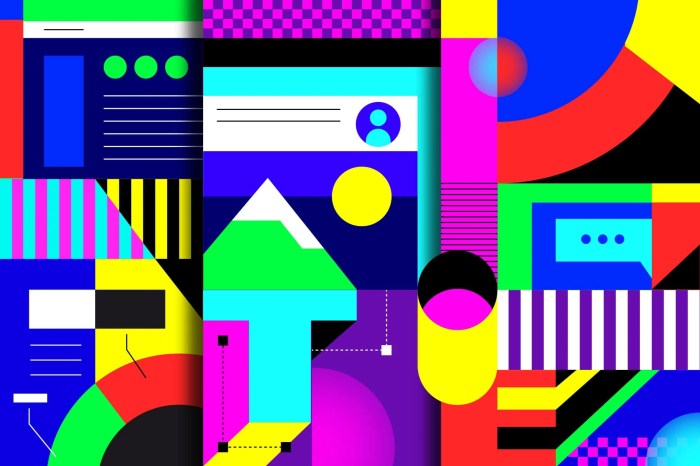
In the realm of digital design, several key principles guide designers in creating visually appealing and functional designs. Understanding these principles is crucial for creating effective digital content that engages users and communicates messages clearly.
Hierarchy
Hierarchy is a fundamental principle in digital design that involves organizing elements on a page in a way that establishes a visual order. By using varying sizes, colors, and placement, designers can guide the viewer's eye through the content and emphasize the most important information.
Contrast
Contrast is another essential principle that helps create visual interest and highlight key elements. By using contrasting colors, fonts, sizes, and shapes, designers can make certain elements stand out and create a dynamic and engaging design.
Balance
Balance refers to the distribution of elements within a design to create a sense of stability and harmony. Designers achieve balance by arranging elements symmetrically or asymmetrically to create visual equilibrium and prevent the design from feeling cluttered or overwhelming.
Typography in Digital Design
Typography plays a crucial role in digital design as it directly impacts how content is perceived and understood. The choice of fonts, sizes, spacing, and alignment can greatly influence the readability, hierarchy, and overall aesthetic of a design. Designers must carefully consider typography to ensure that the text complements the visual elements and enhances the user experience.
Color Theory in Digital Design
Color theory is a fundamental aspect of digital design that involves understanding the psychological effects of colors and how they interact with each other. By using color palettes strategically, designers can evoke specific emotions, create visual interest, and establish brand identity.
Color theory also plays a vital role in enhancing accessibility and ensuring that designs are inclusive for all users.
Tools and Software for Digital Design

When it comes to digital design, having the right tools and software can make a significant difference in the quality of your work. Popular tools used in digital design include Adobe Creative Suite, Sketch, and Figma, each offering unique features and capabilities.
Adobe Creative Suite
Adobe Creative Suite is a comprehensive set of design software that includes industry-standard applications like Photoshop, Illustrator, and InDesign. These tools are widely used for graphic design, photo editing, and layout design, making them essential for many digital designers.
Sketch
Sketch is a popular vector graphics editor that is known for its ease of use and robust features. It is commonly used for UI/UX design and creating digital illustrations. Sketch also offers plugins and integrations that enhance its functionality for digital designers.
Figma
Figma is a cloud-based design tool that allows for real-time collaboration among team members. It is widely used for creating prototypes, wireframes, and user interface designs. Figma's versatility and accessibility make it a popular choice for digital design projects
- Testing design concepts before implementation
- Gathering feedback from stakeholders and users
- Streamlining the design iteration process
- Improving usability and user experience
Overall, selecting the right tools and software for digital design can greatly impact the efficiency and success of your projects. Consider the specific requirements of your design tasks and explore different software options to find the best fit for your workflow.
User Interface (UI) Design
User Interface (UI) design plays a crucial role in creating engaging digital experiences for users. It involves designing the visual elements of a digital product, such as websites or applications, to ensure a seamless and intuitive interaction between the user and the interface.
Importance of User-Centered Design Principles
User-centered design principles are essential in UI design as they prioritize the needs and preferences of the end-users. By focusing on creating interfaces that are user-friendly, intuitive, and accessible, designers can enhance the overall user experience and increase user satisfaction.
- Consistency: Maintaining consistent design elements throughout the interface helps users navigate the product more easily.
- Visual Hierarchy: Designing with a clear visual hierarchy guides users' attention to the most important elements on the screen.
- Accessibility: Ensuring that the interface is accessible to users of all abilities is crucial for inclusive design.
Examples of Successful UI Design
One notable example of successful UI design is the mobile app Instagram. With its simple and intuitive interface, users can easily navigate through the app to view and share photos and videos. Another example is the website Airbnb, which features a clean and user-friendly interface that allows users to search for accommodations and book stays seamlessly.
User Experience (UX) Design
User Experience (UX) Design focuses on enhancing the overall experience of users when interacting with a digital product. It encompasses various aspects such as usability, accessibility, and overall satisfaction.
Differentiation between UI and UX Design
UI design primarily deals with the visual elements of a digital product, focusing on the layout, colors, and interactive elements. On the other hand, UX design is more concerned with the overall experience, including how easy it is to use the product, the efficiency of tasks, and the emotional response of users.
Importance of Usability Testing
Usability testing plays a crucial role in improving UX design by identifying any usability issues early in the design process. By conducting tests with real users, designers can gather feedback on the usability of the product and make necessary adjustments to enhance the overall user experience.
Best Practices for Creating Intuitive User Experiences
- Understand Your Users: Conduct user research to gain insights into the preferences and behaviors of your target audience.
- Clear Navigation: Ensure that users can easily navigate through the product and find the information they need.
- Consistent Design: Maintain consistency in design elements such as colors, fonts, and layouts to provide a cohesive user experience.
- Feedback Mechanisms: Implement feedback mechanisms such as notifications or error messages to keep users informed about their actions.
- Accessibility: Make sure that your digital product is accessible to users of all abilities, including those with disabilities.
Conclusion
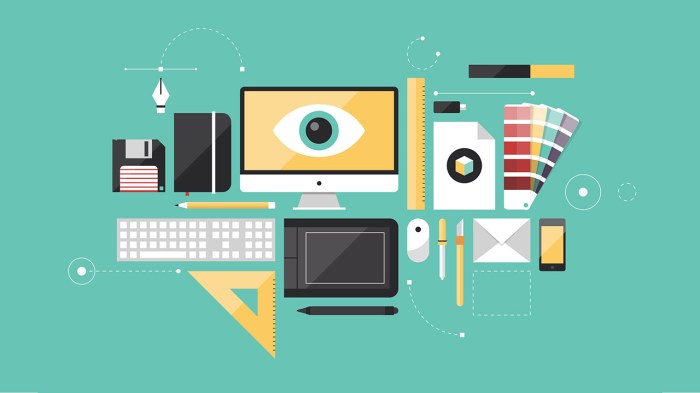
Embark on a journey through the realm of digital design, where creativity meets functionality to craft unforgettable digital experiences. From color theory to prototyping tools, this discussion has offered a glimpse into the vast landscape of possibilities in the world of design.
Popular Questions
What role does typography play in digital design?
Typography is crucial in digital design as it affects readability, user experience, and visual appeal of a design.
How is UI design different from UX design?
UI design focuses on the visual elements and interactive aspects of a product, while UX design is more concerned with the overall feel of the experience.
Which software tools are commonly used in digital design?
Popular tools include Adobe Creative Suite, Sketch, Figma, and more, each offering unique features for designers.