

Embark on a journey of transforming your living space with our comprehensive guide to home improvement. From increasing property value to creating a healthier environment, we delve into the world of home renovations and upgrades that will elevate your lifestyle.
Why Home Improvement Matters
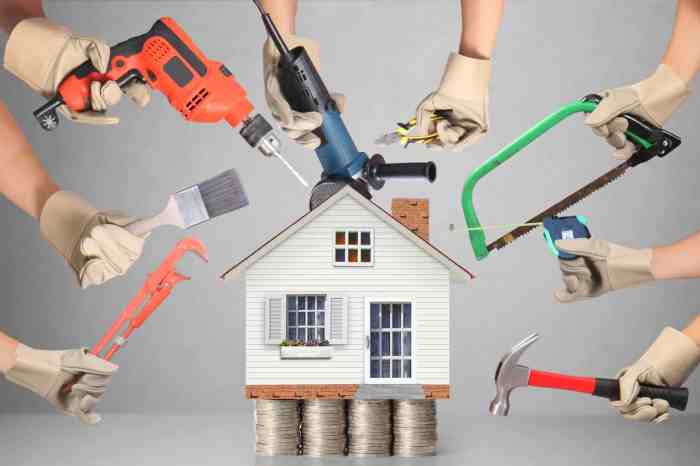
Home improvement plays a crucial role in enhancing property value, increasing comfort and functionality, and creating a healthier and more sustainable living environment.
Enhancing Property Value
Improving different aspects of your home, such as upgrading the kitchen, bathroom, or outdoor space, can significantly increase the overall value of your property. Potential buyers are attracted to homes that have been well-maintained and updated, making home improvement projects a worthwhile investment in the long run.
Increasing Comfort and Functionality
By renovating and upgrading various areas of your home, you can create a more comfortable and functional living space for you and your family. Whether it's adding more storage, improving energy efficiency, or enhancing the layout, home improvement projects can help tailor your home to better suit your lifestyle and needs.
Contributing to a Healthier and More Sustainable Living Environment
Home improvement projects can also contribute to a healthier and more sustainable living environment. For instance, installing energy-efficient appliances, improving insulation, or using eco-friendly materials can help reduce energy consumption, lower utility bills, and minimize your home's impact on the environment.
These changes not only benefit your family's health but also contribute to a more sustainable future.
Types of Home Improvement Projects
Home improvement projects can range from small upgrades to major renovations, both indoors and outdoors. These projects not only enhance the aesthetics of your home but also increase its functionality and value.
Common Indoor Home Improvement Projects
- Kitchen Renovations: Updating cabinets, countertops, and appliances to create a more modern and functional space.
- Bathroom Upgrades: Installing new fixtures, tiles, and vanities to improve the look and functionality of your bathroom.
- Basement Finishing: Converting an unfinished basement into a livable space such as a home office, gym, or entertainment area.
Popular Outdoor Home Improvement Projects
- Landscaping: Enhancing the curb appeal of your home by adding plants, trees, and hardscape features like pathways and patios.
- Deck Construction: Building a deck or patio for outdoor entertaining and relaxation, extending your living space to the outdoors.
- Exterior Painting: Giving your home a fresh coat of paint to improve its appearance and protect it from the elements.
Benefits of Small-Scale and Large-Scale Projects
Small-scale home improvement projects, like updating fixtures or painting a room, can be completed relatively quickly and at a lower cost. These projects can still make a big impact on the look and feel of your home.
On the other hand, large-scale projects such as kitchen remodels or room additions can significantly increase the value of your home and improve its functionality. While these projects may require more time and money, the long-term benefits can be substantial.
DIY vs. Professional Home Improvement
When it comes to home improvement projects, one of the key decisions to make is whether to take on the task yourself as a do-it-yourself (DIY) project or hire professional contractors. Each approach has its own advantages and disadvantages, and it's essential to weigh these factors carefully before deciding which route to take.
Advantages and Disadvantages of DIY Home Improvement Projects
- Advantages:
- Cost-saving potential as you won't have to pay for labor.
- Opportunity to learn new skills and gain a sense of accomplishment.
- Flexibility in scheduling and decision-making.
- Disadvantages:
- Risk of mistakes or errors that could lead to additional costs to fix.
- Time-consuming, especially for complex projects.
- Lack of expertise in certain areas, leading to subpar results.
When to Hire Professional Contractors for Home Improvement Tasks
- Structural Changes: Any project that involves structural changes to your home, such as removing walls or adding new rooms, should be handled by professionals to ensure safety and compliance with building codes.
- Complex Electrical or Plumbing Work: Tasks that require specialized knowledge of electrical or plumbing systems should be entrusted to licensed professionals to avoid hazards and ensure proper installation.
- Time Constraints: When you have limited time or availability to work on a project, hiring professionals can help you meet deadlines and ensure timely completion.
Tips on Deciding Between DIY and Professional Help
- Evaluate Your Skills: Be honest about your abilities and experience in handling similar projects to determine whether you have the necessary expertise.
- Consider the Project Scope: Assess the complexity and scale of the project to see if it requires specialized knowledge or equipment that you may not have.
- Calculate Costs: Compare the cost of DIY materials and tools with professional services to see which option fits your budget better in the long run.
Budgeting for Home Improvement
Creating a budget for home improvement projects is crucial to ensure that you stay on track financially and avoid overspending. It involves detailed planning and consideration of various factors to determine the overall cost of the project.
Strategies for Creating a Budget
- Start by outlining all the improvements you want to make in your home.
- Research the cost of materials, labor, and any additional expenses that may arise.
- Set a realistic budget based on your financial capabilities and the scope of the project.
- Include a contingency fund for unexpected costs that may arise during the project.
Cost-Saving Tips for Home Improvement
- Consider doing some of the work yourself to save on labor costs.
- Shop around for the best deals on materials and consider buying in bulk to save money.
- Look for sales, discounts, and promotions to lower the overall cost of the project.
- Reuse or repurpose existing materials or furniture to cut down on expenses.
Prioritizing Home Improvement Projects
- Identify the most urgent or essential improvements that need to be addressed first.
- Rank projects based on safety, functionality, and potential return on investment.
- Allocate budget resources to projects that provide the most value and impact on your home.
- Consider phasing out projects over time if your budget is limited.
Final Review
In conclusion, home improvement is not just about aesthetics but also about functionality and sustainability. By investing in your home, you are investing in your quality of life. Start your next project today and watch as your living space transforms into your dream home.
Frequently Asked Questions
How does home improvement enhance property value?
Home improvement projects like kitchen renovations and bathroom upgrades can significantly increase the value of your property by making it more attractive to potential buyers.
When should I consider hiring professional contractors for home improvement?
It's best to hire professionals for complex projects that require specialized skills like electrical work or structural changes to ensure safety and quality.
What are some cost-saving tips for home improvement projects?
You can save money by doing some tasks yourself, comparing prices from different suppliers, and reusing materials whenever possible.
How can I prioritize home improvement projects based on my budget?
Start by addressing essential repairs or upgrades first, then move on to cosmetic improvements based on the funds available.