
Embark on a journey of home maintenance with our comprehensive guide that covers everything from the importance of upkeep to essential tasks and tools. Whether you're a seasoned homeowner or new to the game, this article will provide valuable insights to help you maintain your home effectively.
Importance of Home Maintenance
Regular home maintenance is crucial for preserving the condition of your home and preventing costly repairs in the future. Neglecting maintenance tasks can lead to small issues escalating into major problems that require significant financial investment to fix. Additionally, proper maintenance can also increase the value of your home, making it a more attractive asset in the real estate market.
Benefits of Regular Home Maintenance
- Prevents costly repairs: By addressing minor issues promptly, you can avoid them turning into major problems that require expensive repairs.
- Extends the lifespan of your home: Regular maintenance helps keep your home in good condition, ensuring it lasts longer.
- Improves energy efficiency: Maintaining systems like HVAC and insulation can help reduce energy consumption and lower utility bills.
- Enhances safety: Regular maintenance of systems like electrical wiring and plumbing can help prevent accidents and ensure the safety of your family.
Increasing Home Value through Maintenance
- Enhanced curb appeal: Keeping up with maintenance tasks like landscaping, exterior painting, and roof repairs can make your home more attractive to potential buyers.
- Upgraded features: Regular maintenance allows you to update and improve features of your home, such as kitchen appliances, flooring, and fixtures, increasing its overall value.
- Documentation of maintenance history: Having a record of regular maintenance can demonstrate to buyers that the home has been well cared for, potentially increasing its value in their eyes.
Essential Home Maintenance Tasks
Regular home maintenance is crucial for preserving the value and comfort of your home. By staying on top of essential tasks throughout the year, you can prevent costly repairs and ensure that your home remains safe and functional.
Seasonal Maintenance Tasks
| Season | Maintenance Tasks |
|---|---|
| Spring | Clean gutters, inspect roof, service HVAC system, check and repair exterior paint |
| Summer | Prune trees and shrubs, clean outdoor spaces, inspect and repair windows and screens, clean and repair deck/patio |
| Fall | Rake leaves, clean gutters, inspect heating system, seal gaps in windows and doors, prepare lawn for winter |
| Winter | Check insulation, prevent frozen pipes, test smoke and carbon monoxide detectors, service heating system, clear snow and ice |
Importance of Specific Tasks
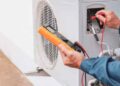
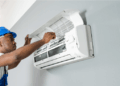
- Regular HVAC system maintenance ensures efficient operation, improves air quality, and extends the lifespan of your system.
- Cleaning gutters prevents water damage to your home's foundation, walls, and roof by allowing proper drainage.
- Roof inspections help identify and address any damage or leaks early, preventing costly repairs and preserving the structural integrity of your home.
Tips for Prioritizing Home Maintenance
- Start with tasks that are time-sensitive or can prevent further damage if not addressed promptly, such as fixing leaks or clearing clogged gutters.
- Consider the season and prioritize tasks that are most relevant and beneficial during that time, such as preparing for winter weather in the fall.
- Create a maintenance schedule or checklist to stay organized and ensure that all necessary tasks are completed regularly.
DIY vs. Professional Maintenance
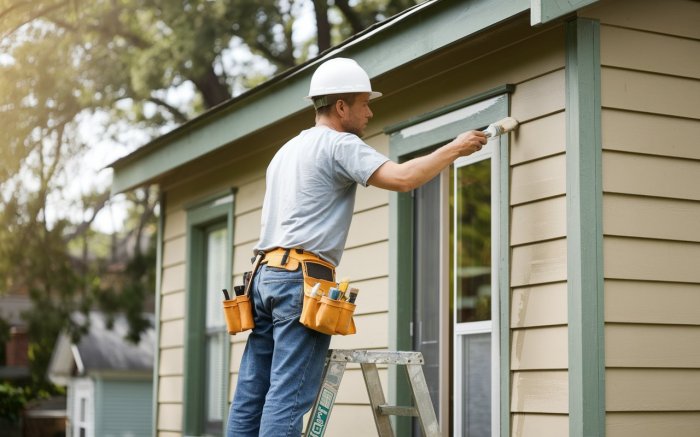
When it comes to home maintenance, deciding between doing it yourself (DIY) or hiring a professional can be a tough choice. Both options have their advantages and disadvantages, and knowing when to DIY and when to call in a professional is crucial to ensure the safety and well-being of your home.
Advantages and Disadvantages of DIY Home Maintenance
- Advantages:
- Cost-effective as you save on labor fees.
- You have control over the quality of work and materials used.
- You can work at your own pace and schedule.
- Disadvantages:
- May lack expertise and skills for certain complex tasks.
- Can be time-consuming, especially for large projects.
- Risk of personal injury or property damage if not done correctly.
Scenarios Where Hiring a Professional is Recommended
- Electrical work: Wiring issues, installations, and repairs should be handled by a licensed electrician to prevent hazards.
- Plumbing problems: Complex leaks, pipe replacements, or sewer line issues are best left to professional plumbers to avoid water damage.
- Roof repairs: Roofing tasks like shingle replacements or structural repairs are risky and require expertise to prevent accidents.
Tips on When to DIY and When to Call in a Professional
- DIY:
- Simple tasks like painting, minor repairs, or landscaping can be safely done by homeowners with basic skills.
- Follow tutorials, use proper tools, and prioritize safety measures to avoid accidents.
- Professional Help:
- For tasks involving structural changes, major renovations, or specialized equipment, it's best to hire professionals to ensure safety and compliance with regulations.
- Consider your skill level, time constraints, and the complexity of the task before deciding whether to DIY or seek professional assistance.
Home Maintenance Tools and Equipment
When it comes to home maintenance, having the right tools and equipment is essential for getting the job done efficiently and effectively. Whether you're a seasoned DIY enthusiast or just starting out, having a well-equipped toolbox can save you time and money in the long run.
Essential Tools for Basic Maintenance Tasks
- Screwdriver set: A versatile tool for tightening screws and assembling furniture.
- Hammer: Used for various tasks such as hanging pictures, repairing furniture, and more.
- Tape measure: Essential for accurate measurements when working on projects around the house.
- Pliers: Useful for gripping, bending, and cutting wires during electrical repairs.
- Adjustable wrench: Great for tightening or loosening nuts and bolts of different sizes.
Different Types of Equipment for Various Home Maintenance Projects
- Power drill: Ideal for drilling holes, driving screws, and other tasks that require power.
- Saw: Whether it's a handsaw, circular saw, or jigsaw, having a saw is crucial for cutting materials.
- Ladder: Essential for reaching high places like ceilings, gutters, or changing light bulbs.
- Paintbrushes and rollers: For painting walls, furniture, or other surfaces to give your home a fresh look.
- Plunger: Handy for unclogging drains in sinks, toilets, and showers.
Proper maintenance of tools is key to enhancing their longevity and effectiveness. Make sure to clean and store them properly after each use to prevent rust and damage.
Preventative Home Maintenance
Preventative maintenance is the practice of regularly inspecting and maintaining different areas of your home to identify and address potential issues before they become major problems. By staying proactive and addressing small problems early on, you can prevent costly repairs and extend the lifespan of your home.
Examples of Preventative Maintenance Measures
Regular inspections and maintenance tasks can be performed in various areas of your home to ensure everything is in good working condition. Here are some examples of preventative maintenance measures you can take:
- Inspecting and cleaning gutters to prevent water damage and mold growth.
- Checking for leaks in plumbing fixtures and repairing them promptly to avoid water damage.
- Testing smoke detectors and carbon monoxide alarms regularly to ensure they are functioning properly.
- Sealing cracks and gaps in windows and doors to improve energy efficiency and prevent drafts.
Ultimate Conclusion
In conclusion, staying on top of home maintenance not only ensures your property's longevity but also saves you from costly repairs down the road. By following the tips and guidelines Artikeld in this guide, you can keep your home in optimal condition year-round.
Frequently Asked Questions
How often should I inspect my HVAC system?
It's recommended to have your HVAC system inspected at least once a year, ideally before the start of a new season to ensure optimal performance.
Can neglecting gutter cleaning cause damage to my home?
Yes, clogged gutters can lead to water damage, mold growth, and even structural issues if left unattended for a long time.
Is it safe to attempt roof inspections on my own?
While some minor inspections can be done DIY, it's best to hire a professional for thorough roof inspections to avoid potential safety hazards.